
In an age where capturing consumer attention is both critical and challenging, light-up labels emerge as a brilliant solution to stand out on crowded shelves. By integrating LED technology into traditional product labeling, these innovative labels not only enhance the aesthetic appeal of products but also actively engage customers, making any brand instantly more memorable. This discussion explores the transformative impact of light-up labels on marketing strategies and product packaging, spotlighting their potential to revolutionize brand visibility and consumer interaction.
Innovative Marketing Solutions: The Power of Light-Up Labels
In the dynamic world of marketing and branding, standing out is not just an option—it’s a necessity. Today, we’re delving into an exciting innovation that has been lighting up the marketing landscape: light-up labels. These are not just your ordinary labels; they incorporate cutting-edge LED technology to make your brand shine, quite literally. Let’s explore how these glowing labels can transform your product packaging into a captivating marketing tool.
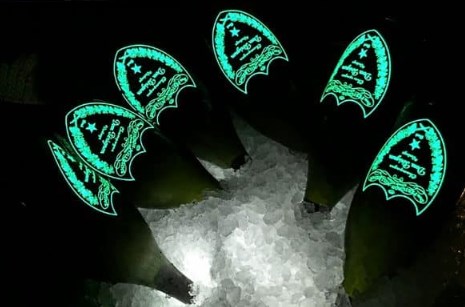
What Are Light-Up Labels?
Light-up labels are a revolutionary type of product labeling that incorporates LED technology to create a glowing effect on the packaging. These labels are designed to attract attention and enhance the visual appeal of products on shelves.
How Do Light-Up Labels Work?
At their core, light-up labels use thin, flexible LED lights embedded within the label material. These LEDs can be programmed to light up in specific patterns, colors, and durations, depending on the design and marketing needs.
Benefits of Using Light-Up Labels in Marketing
Utilizing light-up labels offers a multitude of benefits:
- Increased Visibility: They make your product stand out in crowded marketplaces.
- Enhanced Brand Recognition: Bright and dynamic displays lead to higher recall.
- Emotional Engagement: Lighting can evoke emotions, influencing purchasing decisions.
Industries Benefitting from Light-Up Labels
From spirits and wines to high-end cosmetics, various industries are already benefiting from this technology, using it to create a ‘wow’ factor that attracts consumers.
Design Considerations for Light-Up Labels
When designing light-up labels, it’s crucial to balance aesthetics with functionality. Consider the lighting color, intensity, and pattern to align with your brand identity.
Integration with Traditional Marketing
Light-up labels should complement, not replace, your existing marketing strategies. They work best when integrated with a holistic marketing plan.
Case Studies: Successful Brands Using Light-Up Labels
Several leading brands have successfully implemented light-up labels to boost their market presence. These case studies illustrate the potential of light-up technology in real-world settings.
Comparative Analysis: Light-Up vs. Traditional Labels
While traditional labels rely on graphics and colors, light-up labels offer a dynamic alternative that can engage customers on another level.
Future Trends in Interactive Packaging
The future of packaging lies in interactivity. Light-up labels are just the beginning; we anticipate more sensory elements being integrated in the future.
Cost Analysis of Implementing Light-Up Labels
Although initially more expensive, the return on investment for light-up labels can be significant, thanks to increased consumer interest and sales.
Challenges and Limitations
Despite their benefits, there are technical and budgetary challenges to consider before implementation.
How to Choose the Right Supplier for Light-Up Labels
Choosing a supplier involves considering their technology, reliability, and customer service. It’s important to partner with a company that aligns with your vision.
Legal and Compliance Issues
Understand the legal standards and regulations associated with electronic labels to ensure compliance.
Conclusion
Light-up labels are more than just a novelty; they are a potent tool in the arsenal of modern marketing. By effectively utilizing this technology, brands can create a memorable and engaging experience that lights up not just the packaging but also sales figures.

